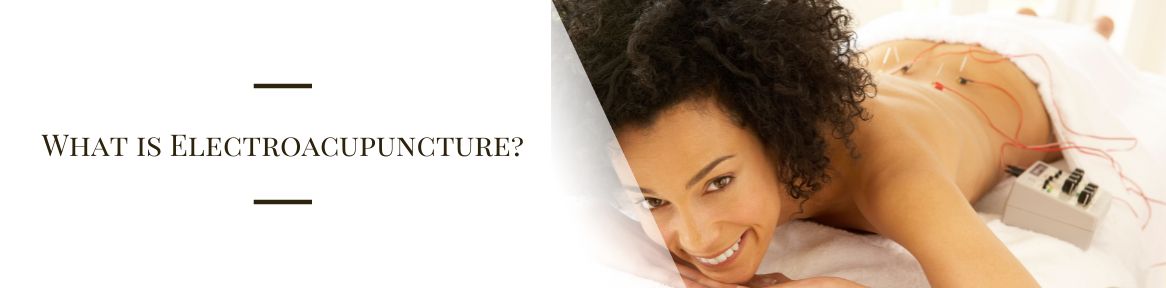
While you might be familiar with what acupuncture is, have you ever heard of electroacupuncture? Just like traditional acupuncture, electroacupuncture uses needles on various acupuncture points. The difference comes in that with electroacupuncture, a small electrode is attached to the needles which allows a small amount of electricity to pass through, giving a slight vibration or low hum during treatment.
You might think breathing is second nature, right? You’re doing it right now as you are reading this. But did you know that there are different kinds of breathing and that what is called deep breathing can have important health benefits? Read on to learn just three of the most important reasons you should add deep breathing to your daily routine.continue reading »
Georgia O’Keeffe (1933) by Alfred Stieglitz. Original from The Art Institute of Chicago. Digitally enhanced by rawpixel.
Anxiety can often feel like a tumultuous storm raging within us, manifesting as a racing heart, a churning stomach, and a sense of impending doom. While our brains significantly generate fear and anxiety, there’s a profound connection between our minds and bodies. In this article, we’ll explore the neuroscience and physiology of fear, as explained by psychiatrist and neuroscientist Arash Javanbakht, and discuss how acupuncture can be a valuable treatment modality in managing anxiety.
Fear and the Brain
Dr. Javanbakht delves into the intricate workings of the brain when it comes to processing fear. He highlights that the amygdala, a small almond-shaped region, plays a crucial role in determining the emotional relevance of a situation and how to respond to it. When we perceive something as dangerous, the amygdala rapidly triggers physical responses, often bypassing logical thinking. This primitive response system was essential for early humans facing immediate threats like predators.
The hippocampus, closely connected to the amygdala, helps us contextualize fear. It differentiates between actual dangers, like encountering a lion in the wild, and perceived threats, such as seeing the same lion in a zoo. The prefrontal cortex, on the other hand, manages the cognitive and social aspects of fear, sometimes even instilling fear based on social influences.
Fear and the Rest of the Body
When our brain perceives a situation as threatening, it sets off a cascade of neuronal and hormonal reactions that prepare us for action. While some aspects of the fight-or-flight response occur in the brain, most happen in the body.
The brain’s motor cortex sends rapid signals to our muscles, including those in our chest and stomach, to prepare for quick, forceful movements. These signals can result in feelings of tightness in these areas. The sympathetic nervous system, often referred to as the “gas pedal” of fight-or-flight, increases the heart rate and dilates airways. These responses lead to sensations like a racing heart and shortness of breath. Digestion slows down as blood flow redirects to more vital organs.
The Brain-Body Connection
All these bodily sensations, including those felt in the chest and stomach, are communicated to the brain through spinal cord pathways. Our anxious brain processes these signals both consciously and unconsciously. The insula and the prefrontal cortex, responsible for conscious awareness and labeling of emotions and bodily sensations, can inadvertently contribute to a loop of increasing anxiety.
Acupuncture as a Treatment Modality
So, if anxiety originates in the brain but is profoundly felt throughout the body, how can we effectively manage it? One holistic approach that has gained recognition is acupuncture. Acupuncture is an ancient Chinese practice that involves inserting thin needles into specific points on the body to restore balance and promote healing.
Acupuncture’s effectiveness in treating anxiety is its ability to modulate the body’s stress response. When strategically placed acupuncture needles stimulate the body’s nervous system, triggering the release of endorphins and other neurochemicals that promote relaxation and reduce stress.
Moreover, acupuncture can help rebalance the autonomic nervous system, including the sympathetic and parasympathetic branches. By calming the sympathetic nervous system (the “fight-or-flight” response) and enhancing the parasympathetic nervous system (the “rest-and-digest” response), acupuncture can alleviate anxiety-related physical symptoms such as a racing heart, muscle tension, and digestive discomfort.
Acupuncture also addresses the mind-body connection by promoting mindfulness and relaxation during sessions. This can help individuals become more aware of their bodily sensations and emotions, allowing them to break free from the anxiety loop.
Anxiety often takes center stage in the intricate dance between our brains and bodies. Understanding the neuroscience and physiology behind fear is essential in managing anxiety effectively. Acupuncture emerges as a valuable treatment modality that can help rebalance the mind-body connection, reduce physical symptoms of anxiety, and promote relaxation. By combining ancient wisdom with modern science, individuals struggling with anxiety can find relief and reclaim their sense of calm and well-being.
Different weight loss drugs and diets are always coming into and out of fashion as different celebrities endorse different programs and plans. If you are looking for a long-term, drug-free solution, acupuncture just might be the perfect fit for you. continue reading »
Meditation has a reputation for several health benefits but here are the top eight reasons establishing a regular meditation routine can improve your overall health and wellbeing. But first, what is meditation? It is defined as the regular process of training your mind to focus and redirect your thoughts.continue reading »
According to the National Institutes of Health, approximately 20 million people in the United States suffer from peripheral neuropathy. The NIH also notes that it is particularly common among those suffering from diabetes. So, what is peripheral neuropathy and can acupuncture help to relieve its symptoms?continue reading »
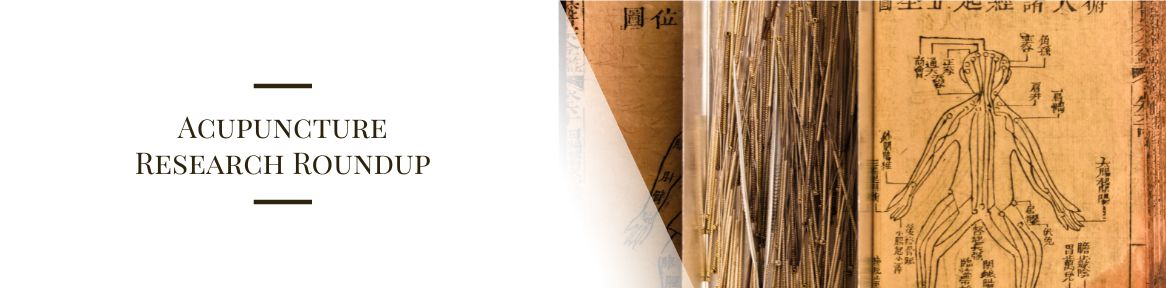
According to the National Institutes of Health, research has demonstrated that acupuncture could be helpful for a variety of pain conditions including back pain, knee pain caused by osteoarthritis, and postoperative pain. There is also evidence to suggest that it helps relieve joint pain “associated with the use of aromatase inhibitors.”continue reading »
People seeking treatment for addiction typically have a complex road to recovery. Everyone’s story is different, and people have different needs and respond to treatment in their own time and in their own way. What many people might not be familiar with are the supplemental therapies that can be used to help promote healing and recovery. One of those supplemental therapies is the National Acupuncture Detoxification Association (NADA) acupuncture protocol.continue reading »
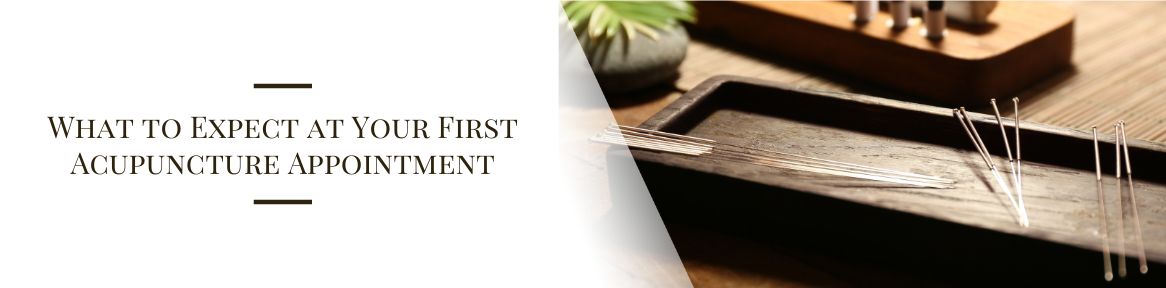
Just like every patient is unique with specific needs and expectations, every practitioner is also unique with specific needs and expectations. If acupuncture is a new experience for you, you might be wondering what to expect. While not every practice is the same, there are a few general principles that will guide your first appointment. continue reading »
If you or a family member suffer from asthma, you might be looking for another alternative to the typical treatment options. With little to know side effects, acupuncture and acupressure just might be what you have been looking for. There are actually six common acupressure points that can help you manage your asthma symptoms. continue reading »
I went to get acupressure because I was past my pregnacy due date, but after the appointment I felt like I was walking on air. I had a lot of energy, my pains were gone, and I realized I needed it more than I really knew. She is understanding and very professional. I would definitely recommend Dr. Graves.
-S.S
Dr. Carrie Johnson is what all physicians should be–knowledgeable, concerned, and caring. She listened and worked with me as an individual. She took me from a life of fear of exacerbating the already constant pain to a life where I can be physically active because the pain can be eliminated by her skilled treatment. Not only did she provide healing with accupuncture to relieve TMJ and radiating nerve pain, she also taught me two simple exercises that extend the effect
I am a sr citizen and have been going to Dr. Carrie for a year and am hooked on acupuncture!! She helped me with losing weight and lowering my blood pressure. A great way to stay well and maybe someday all insurance carriers will see to it to cover acupuncture as a medical treatment.
I am a fitness freak: I like cross-country running,cycling, weight lifting, playing basketball and racquetball. But at a certain point I started having severe back pains, spasms and hamstring tightening which sidelined me for quite a while as I tried physical therapy but I did not get immediate relief I was looking for. Then I visited with Dr Carrie Johnson for initial visit and analysis of my condition, at first I was skeptical but Dr Carrie Johnson made me a believer of Acupuncture and Active release techniques. Thanks
Let me start by saying I am a certified CrossFit trainer with multiple specialty certifications and I am also a USAW certified Sport Performance Coach. I have dealt with minor injuries before but nothing that forced me to consider some type of rehab or treatment plan. While training high volume or a competition I suffered a low back injury. After months of rest and self prescribed rehab I wasn’t getting back to the shape I wanted and my symptoms persisted.