Sometimes, over dinner with a new group of friends, I am asked to explain “what is it you do, exactly?”. It seems like the biggest part of my role as healthcare provider is in education. One of the most important areas that I seem to be spending a growing amount of time is on the topic of antibiotics.
“Should I go on an antibiotic?”
“Would an antibiotic make this go away faster?”
“I’ve been on antibiotics for weeks and I’m still having symptoms, now what?”
There is a time and place for antibiotics. One of the biggest concerns in medicine used to be bacterial infection. There are disease that are being close to eradicated due to the invention and prescriptions of antibiotics like penicillin. Thanks Dr. Fleming! The discovery of penicillin was a turning point in modern medicine and in our history.
One of the fastest growing health concerns in current modern medicine is growing antibiotic resistance. Despite the growing education that antibiotics do not treat viruses and are not a “cure-all” for every sniffle, cough, sneeze, or wheeze, it seems many doctors still prescribe them just in case.
“Researchers from George Washington, Cornell and Johns Hopkins universities surveyed 113 patients in an urban hospital to test their understanding of antibiotics. They discovered a widespread misconception: patients may want antibiotics, even if they know that, if they have a viral infection, the drugs will not make them better. These patients believe that taking the medication will not worsen their condition—and that the risk of taking unnecessary antibiotics does not outweigh the possibility that they may help.“
“More than half of the patients we surveyed already knew that antibiotics don’t work against viruses, but they still agreed with taking antibiotics just in case,” Dr. Broniatowski said. “We need to fight fire with fire. If patients think that antibiotics can’t hurt, we can’t just focus on telling them that they probably have a virus. We need to let them know that antibiotics can have some pretty bad side effects, and that they will definitely not help cure a viral infection.“
Ok. So now what? I suppose that’s where I come in to play in a dinner conversation.
In Chinese Medicine there is an evaluation of the entire condition as it is currently presenting, coming up with a “unique to the patient” diagnosis and treatment plan. In evaluating why someone might be coughing, or sneezing, or itching that weird rash, we can find the right treatment (Chinese herbal medicine, acupuncture, dietary changes, etc) to correct the condition without having to go on antibiotics initially.
The first known record of infectious disease was recorded in the Huang Di Nei Jing (Yellow Emperor’s Inner Classic) which was compiled in the first or second century CE. The Huang Di Ne Jing recognized different types, causes, and manifestations of infections and pathogens. The Chinese herbal formulas recorded in the Nei Jing have been used for thousands of years for a variety of conditions, quite successfully. A fantastic breakdown of some of these formulas can be found here.
In Western medicine, the discovery of antibiotic drugs is one of the major breakthroughs in modern medicine. It enables doctors to effectively treat many different types of infections. Unfortunately, decades of abuse and misuse have led to growing problems of bacterial mutation and resistance. Many of these “super bugs” can only be treated with the newest and most potent antibiotic drugs. Unfortunately, many of them have potent side effects as well. The key points are to select the correct antibiotic drug with least potential side effects and make sure the patient finishes the entire course of therapy.
In traditional Chinese medicine, herbs and herbal formulas are also extremely effective for treatment of various infections. In fact, most modern pharmaceutical drugs were originally derived from natural sources, including penicillin (the oldest antibiotic) and gentimicin (one of the most potent). One of the main benefits of using herbs is their wide spectrum of antibiotic effect, with indications for bacterial and viral infections. Furthermore, most of these herbs are extremely safe, and do not have the same harsh side effects as drugs.
In summary, both drugs and herbs are effective to treat mild to moderate cases of bacterial infections. However, because drugs are more immediately potent and can be prescribed with more laboratory precision (via cultures and sensitivity tests), they are more appropriate for life-threatening infections, such as meningitis or encephalitis, or mutant strains of bacteria, such as beta-lactam-resistant Staphylococcus aureus and methicillin-resistant Staphylococcus aureus (MRSA). On the other hand, use of herbs is far more effective than drugs for treating certain viral infections, such as the common cold and influenza. Most importantly, herbs are much gentler to the body and safer than drugs. In other words, herbs treat infection without damaging the patient’s underlying constitution. This allows the patient to recover faster and become more resistant to secondary or re-current infections.
If you’ve been wondering what you should do with your healthcare, I am always available for a free phone consult.
727-216-6929
 The thought of treating pain by sticking yourself with dozens of tiny needles might sound like a misnomer. After all, wouldn’t this make the problem worse by creating more pain? The holistic practice of acupuncture is a safe and effective solution for relieving pain. Whether it’s chronic or temporary pain, acupuncture has proven effective time and time again at relieving pain. continue reading
 Obesity remains a top concern among health professionals in the U.S. According to a study published in the Journal of American Medicine (JAMA), more than one third of adults in the U.S. are clinically obese (
 Adults who need 2,000 daily calories to maintain a healthy weight should eat 2 cups of fruit and 2½ cups of vegetables per day (a total of nine servings). According to the Centers For Disease Control and Prevention (CDC), however, only 14% of adults consume the recommended daily amount of fruits and vegetables (

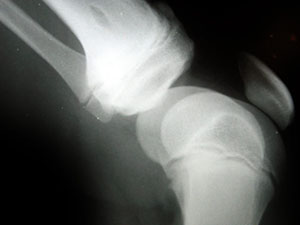 Knee arthritis is a painful condition in which the joints in the knee become inflamed. Depending on the severity of the condition, it may limit an individual’s normal range of motion, forcing him or her to keep body weight off the affected knee. While there’s no known cure for arthritis of the knee, a recent study found herbal acupuncture to effectively treat the symptoms associated with this condition.
  Are you addicted to sugar? If so, you aren’t alone. According to the American Heart Association (AHA), the average American consumes a whopping 89 teaspoons of sugar per day – about 3-4 times more than the recommended daily allowance.
